🏆 Awarded Acne Clinic & Clinician of the Year – 2024 & 2025 🏆
🏆 Awarded Acne Clinic & Clinician of the Year – 2024 & 2025 🏆
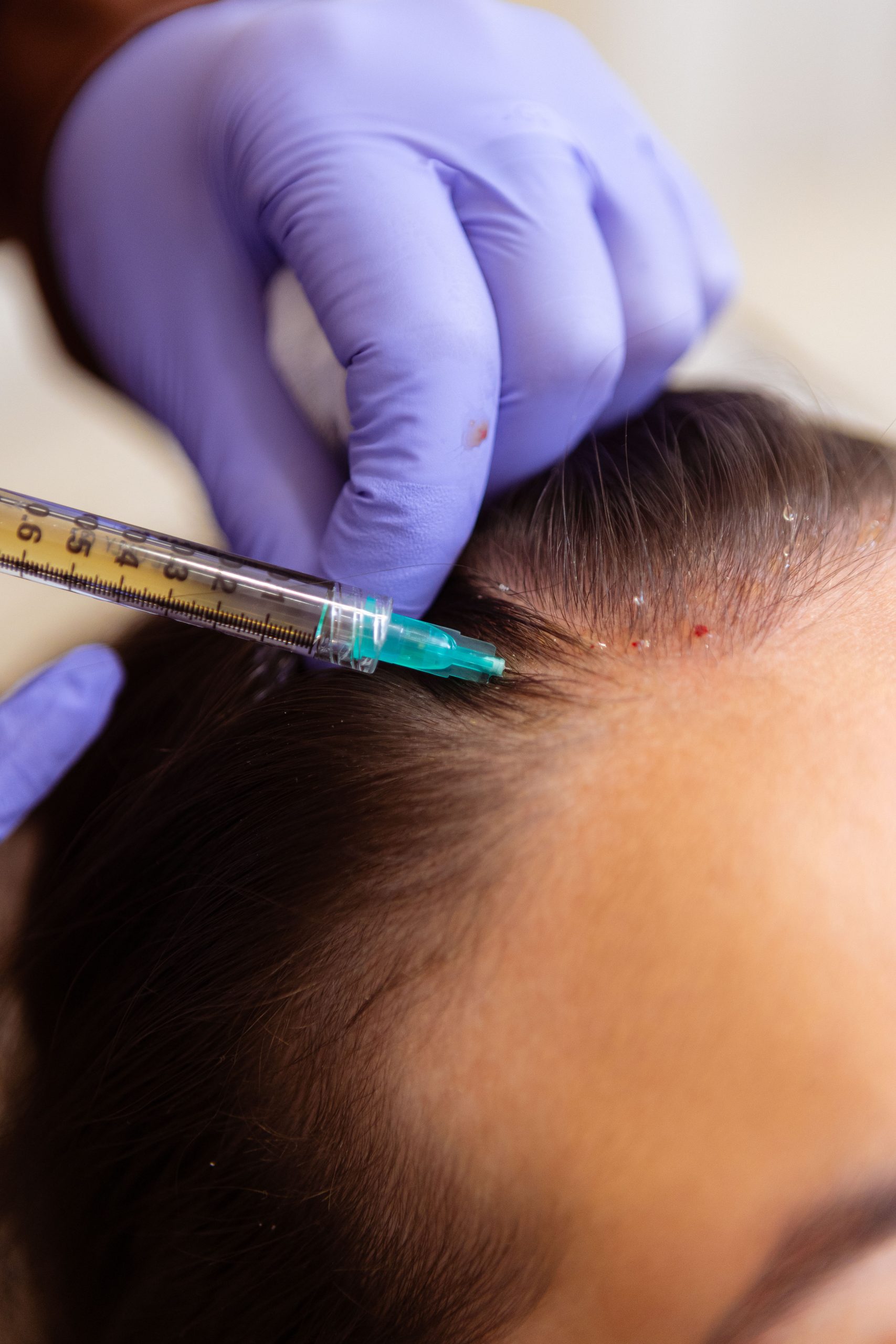
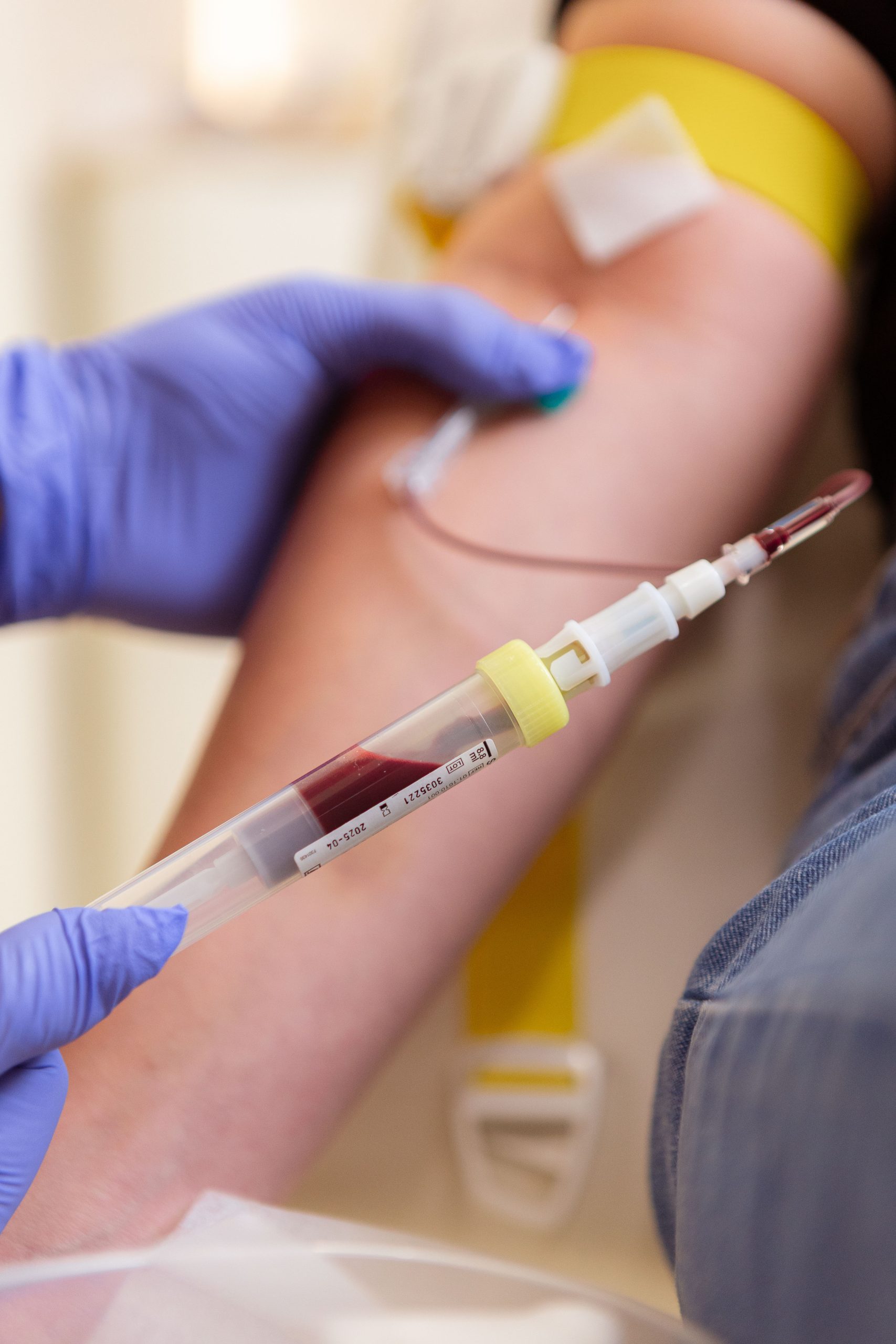
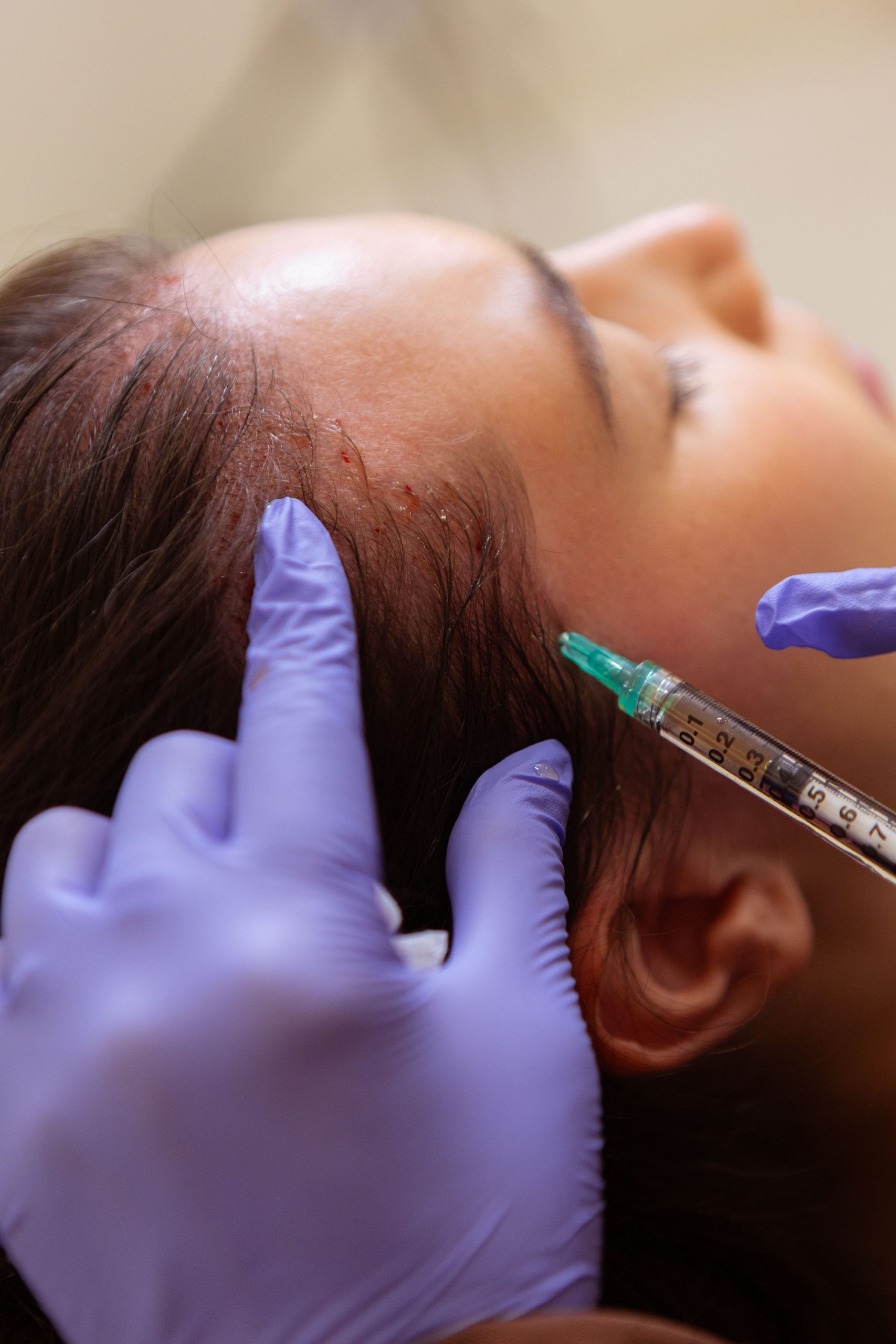
Platelet-Rich Plasma (PRP) is a regenerative treatment that uses a small sample of your own blood. Your blood naturally contains red blood cells, white blood cells, plasma and platelets. Platelets contain naturally occurring proteins and growth factors that play an important role in the body's normal healing processes.
During treatment, a small amount of blood is collected and processed using a specialised centrifuge to separate the platelet-rich plasma from other blood components. The concentrated plasma is then carefully administered into the treatment area by a qualified health practitioner.
PRP is commonly used in aesthetic medicine to support skin rejuvenation and may also be used in the management of certain forms of hair thinning. Individual suitability, expected outcomes and treatment recommendations will be discussed during your consultation.
Following a comprehensive medical assessment, PRP may be considered for patients wishing to address concerns such as:
Treatment recommendations vary depending on your individual assessment, medical history and desired outcomes.
PRP may not be suitable for everyone. Treatment may be contraindicated or postponed in certain circumstances, including but not limited to:
Your clinician will determine your suitability during your consultation.
As PRP uses your own blood, the risk of allergic reaction is very low. However, as with any procedure involving injections or skin needling, potential risks include:
Your clinician will discuss these risks in detail prior to treatment and obtain informed consent.
The number of treatments required varies depending on the condition being treated, your individual response and your treatment goals.
Many patients undergo a series of treatments spaced approximately 4–6 weeks apart, followed by maintenance treatments as recommended by their clinician. Your personalised treatment plan will be discussed during your consultation.
For best results and to minimise the risk of complications:
Following treatment:
Immediately following treatment, it is common to experience:
These effects generally improve over the first 24–72 hours.
Some patients may experience mild bruising, dryness or flaking over the following few days. Recovery time varies depending on the treatment performed and individual healing response.
If you experience increasing pain, excessive swelling, discharge or signs of infection, please contact the clinic promptly.
$550
$650
$550
$400
10% off automatically applied at checkout.
Located in Elevate Suites, 22 Hollywood Drive, Roxburgh Park 3064
