🏆 Awarded Acne Clinic & Clinician of the Year – 2024 & 2025 🏆
🏆 Awarded Acne Clinic & Clinician of the Year – 2024 & 2025 🏆
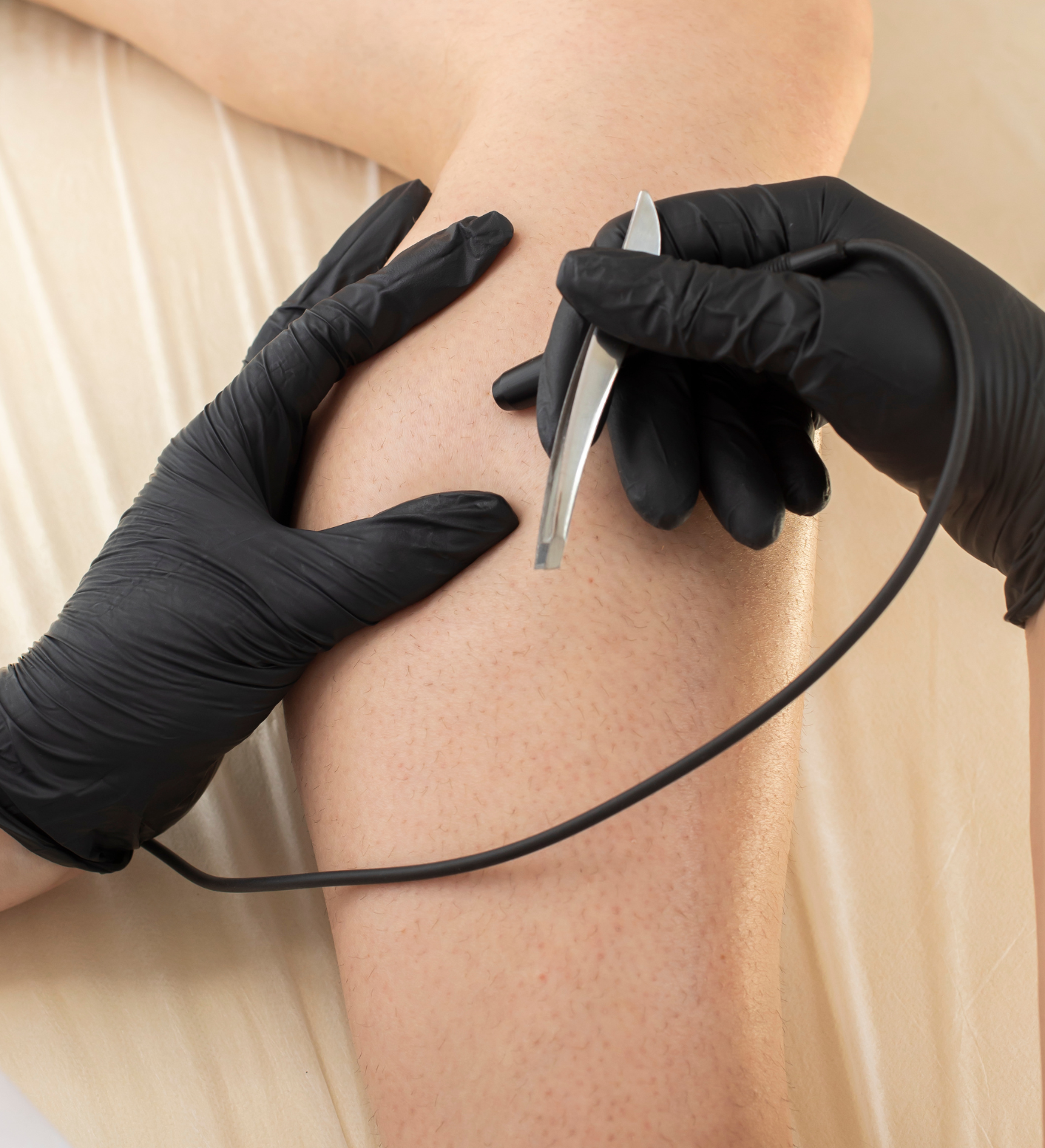
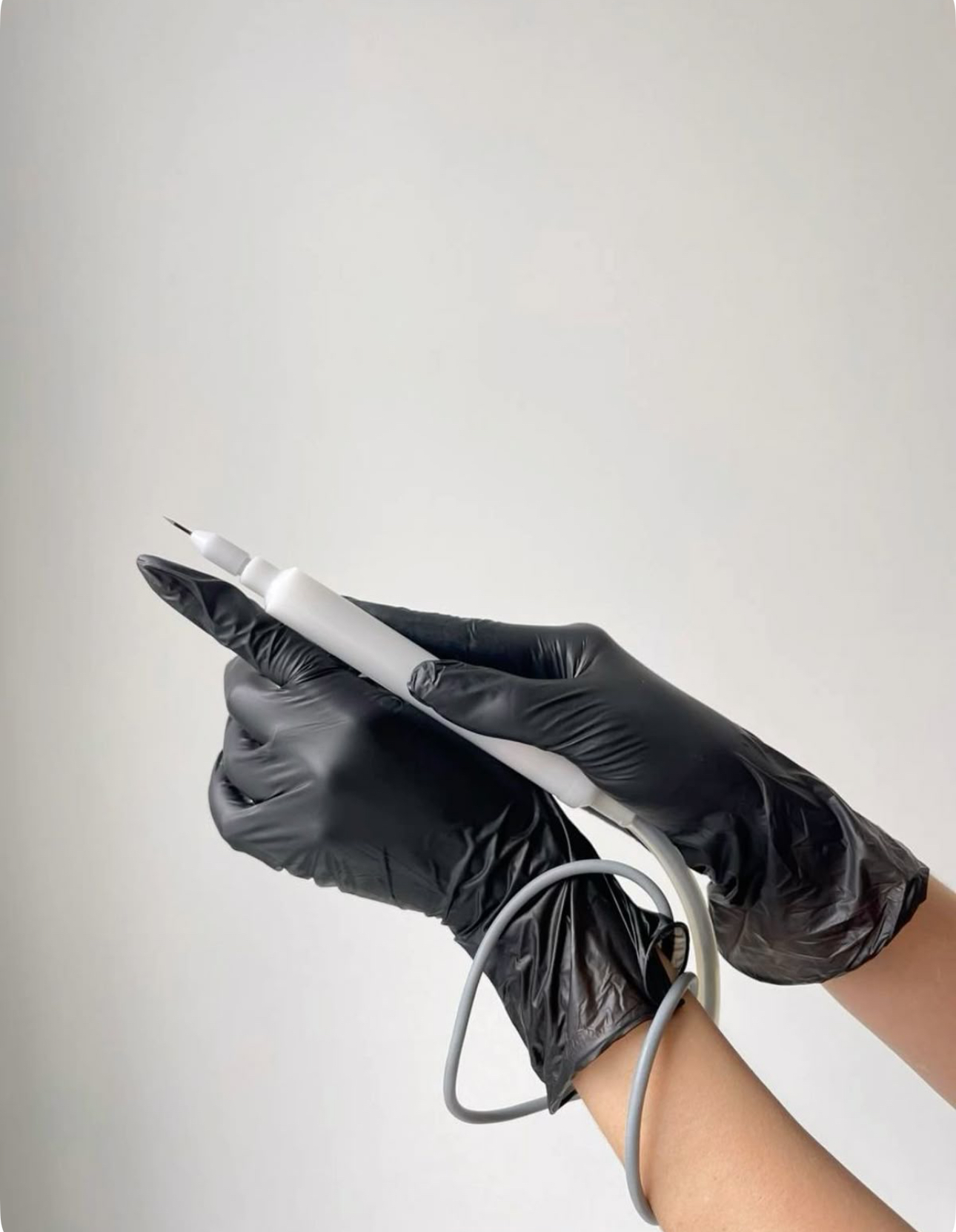
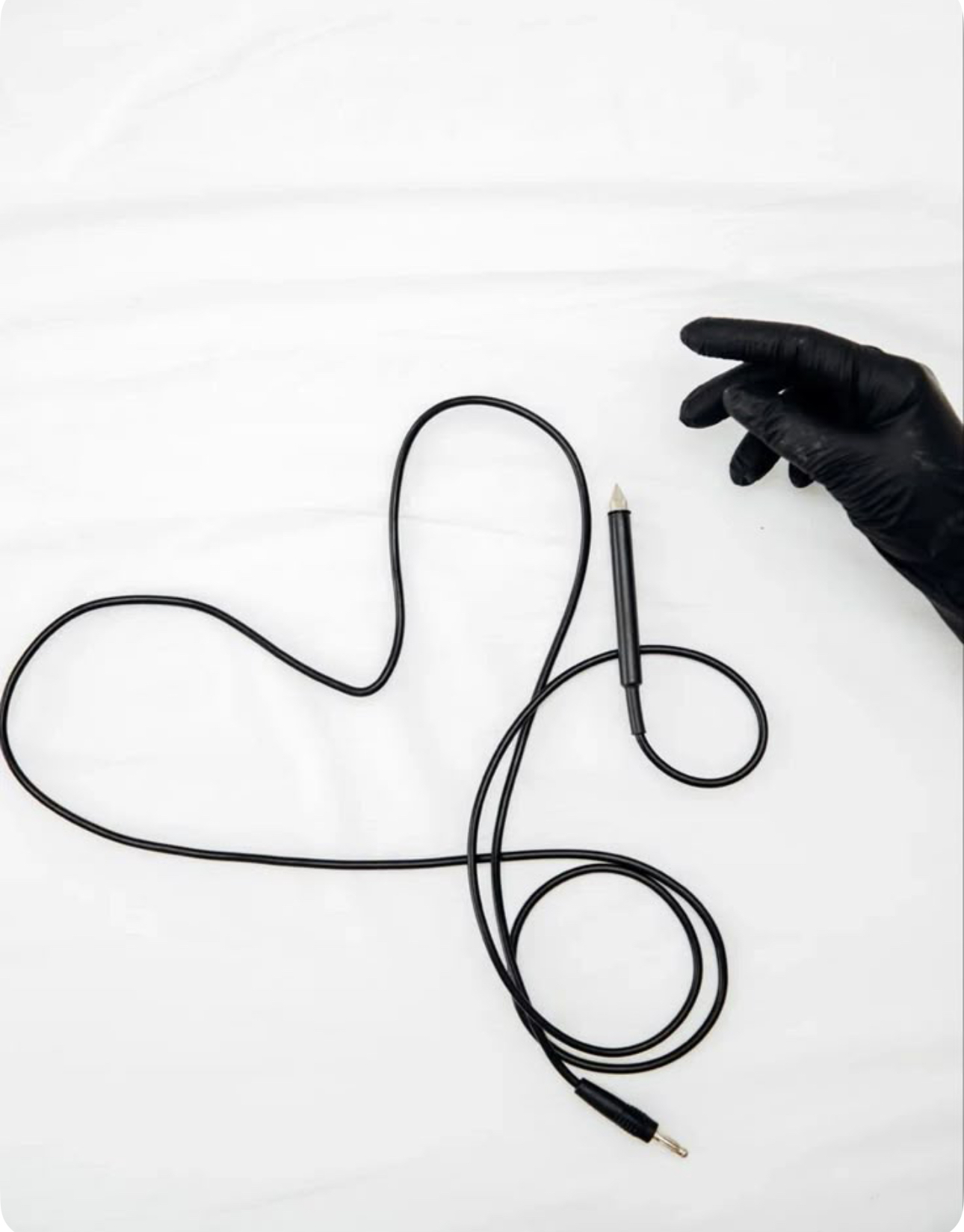
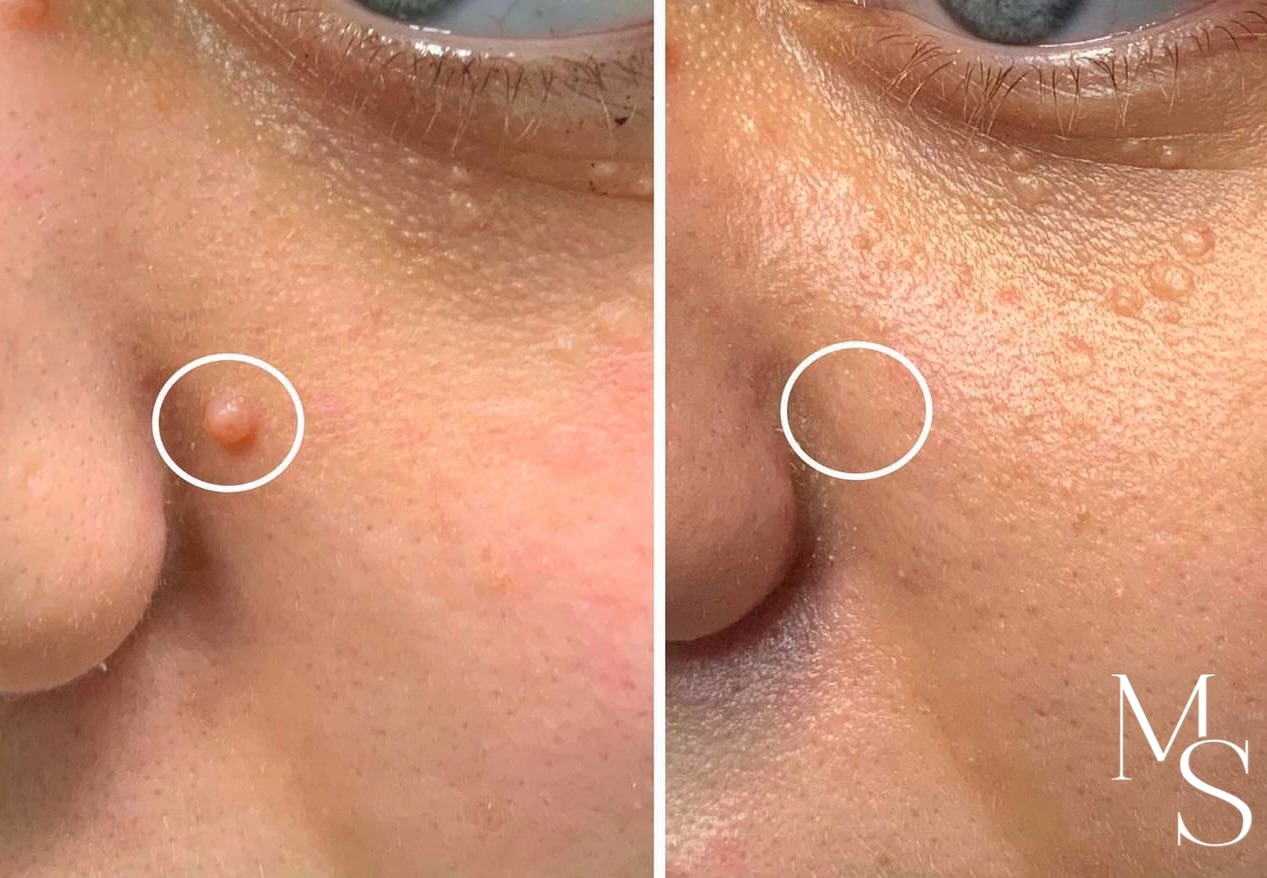
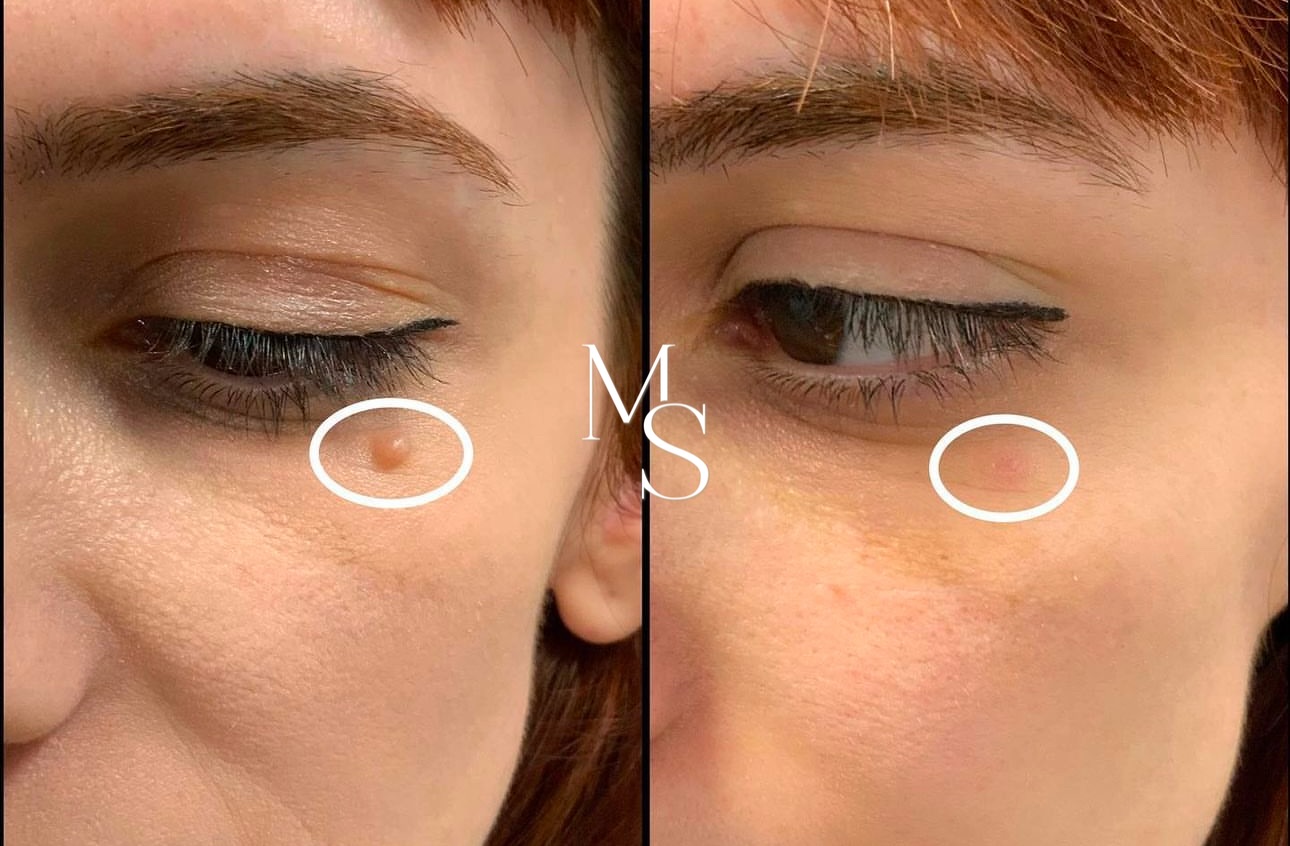
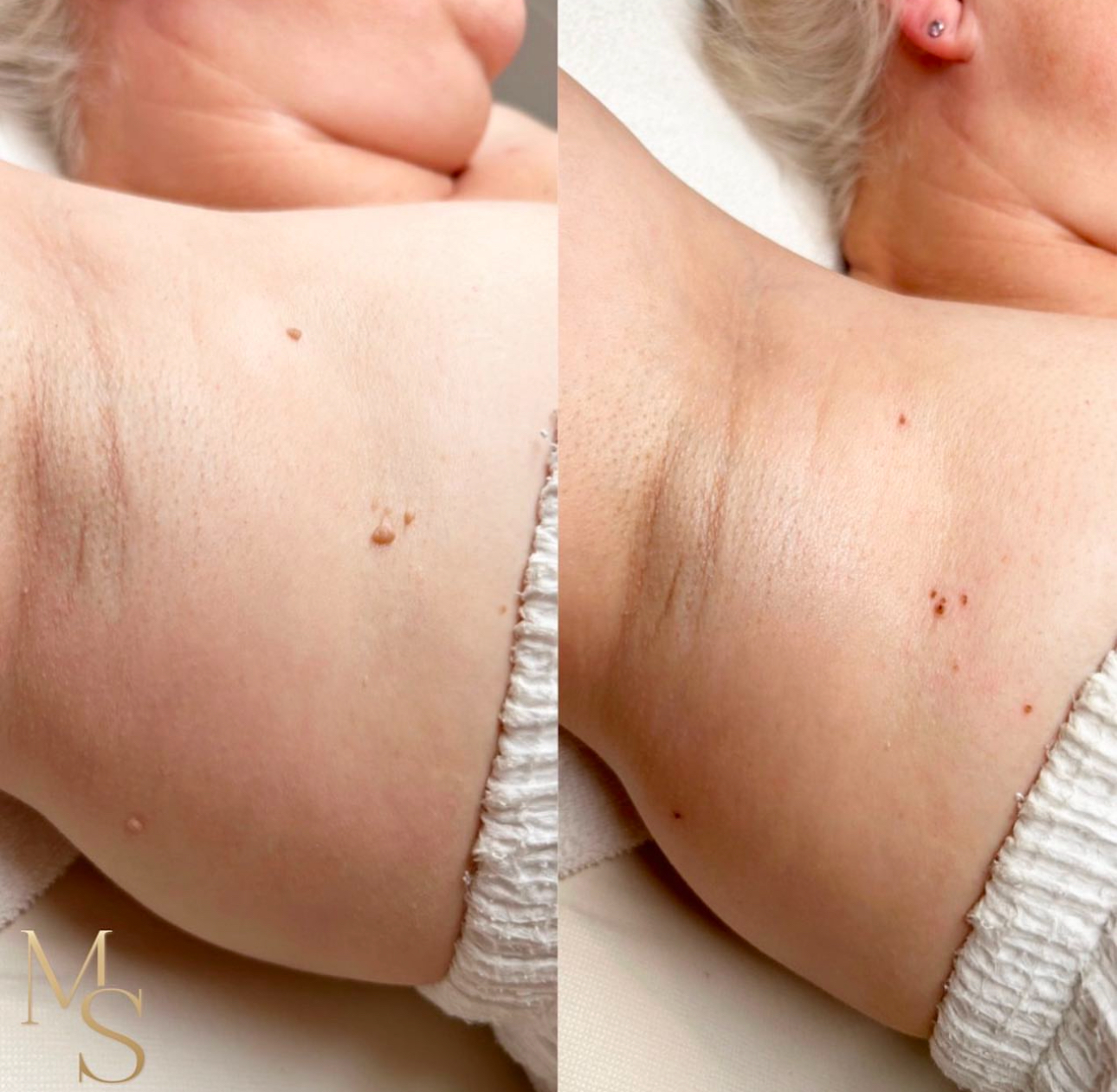
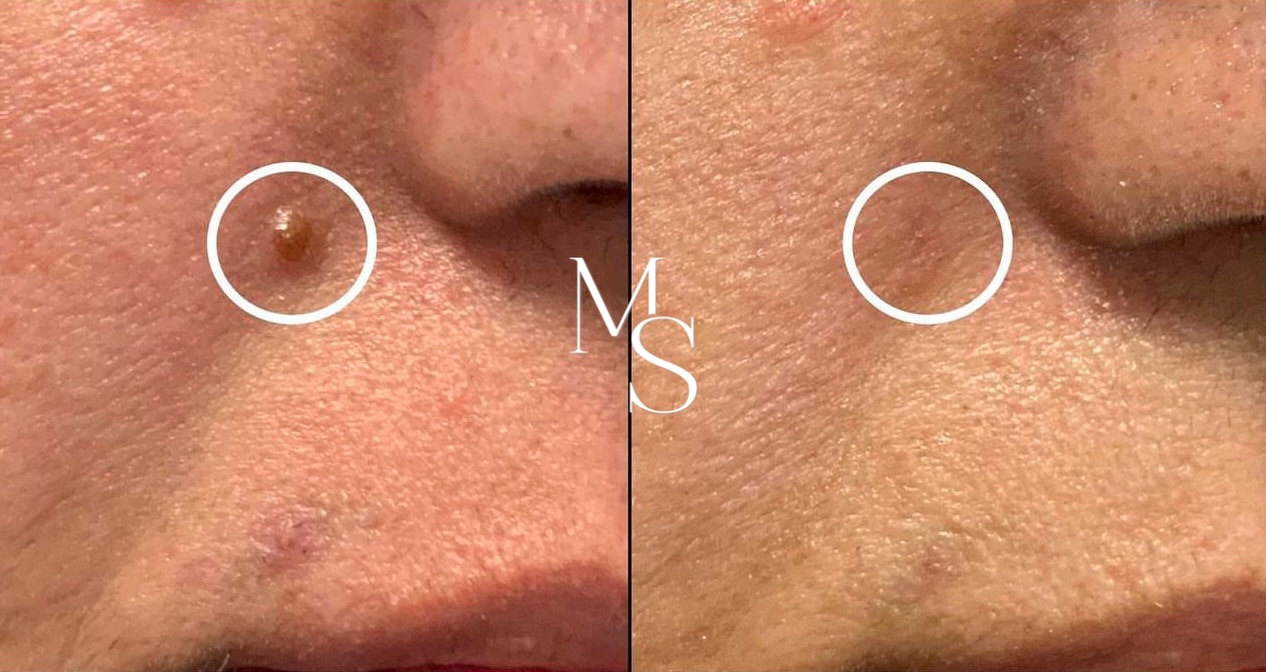
Diathermy is a safe, precise, non-surgical treatment that uses a high-frequency electrical current to generate heat within targeted tissue. This controlled heat allows us to remove or reduce a range of common benign skin concerns with minimal damage to the surrounding skin.
At Melbourne Skin, our experienced Dermal Clinicians use medical-grade diathermy technology to treat unwanted skin lesions and imperfections with precision, helping to restore smoother, clearer, and healthier-looking skin.
Fibroblast skin lesion removal is a non-surgical treatment that uses plasma energy to safely and precisely remove selected benign skin lesions without the need for cutting or stitches.
A tiny plasma arc creates controlled heat, causing the unwanted tissue to sublimate (vaporise) while stimulating the skin's natural healing response. This process activates fibroblast cells, which are responsible for producing collagen and elastin, helping the skin heal smoothly.
Fibroblast is commonly used to treat:
At Melbourne Skin, every lesion is carefully assessed prior to treatment. We only treat lesions that appear benign, and if there is any uncertainty, you will be referred to your GP or dermatologist for further assessment before cosmetic removal.
While both Diathermy and Fibroblast are excellent non-surgical options for removing benign skin lesions, they work in different ways and are suited to different concerns.
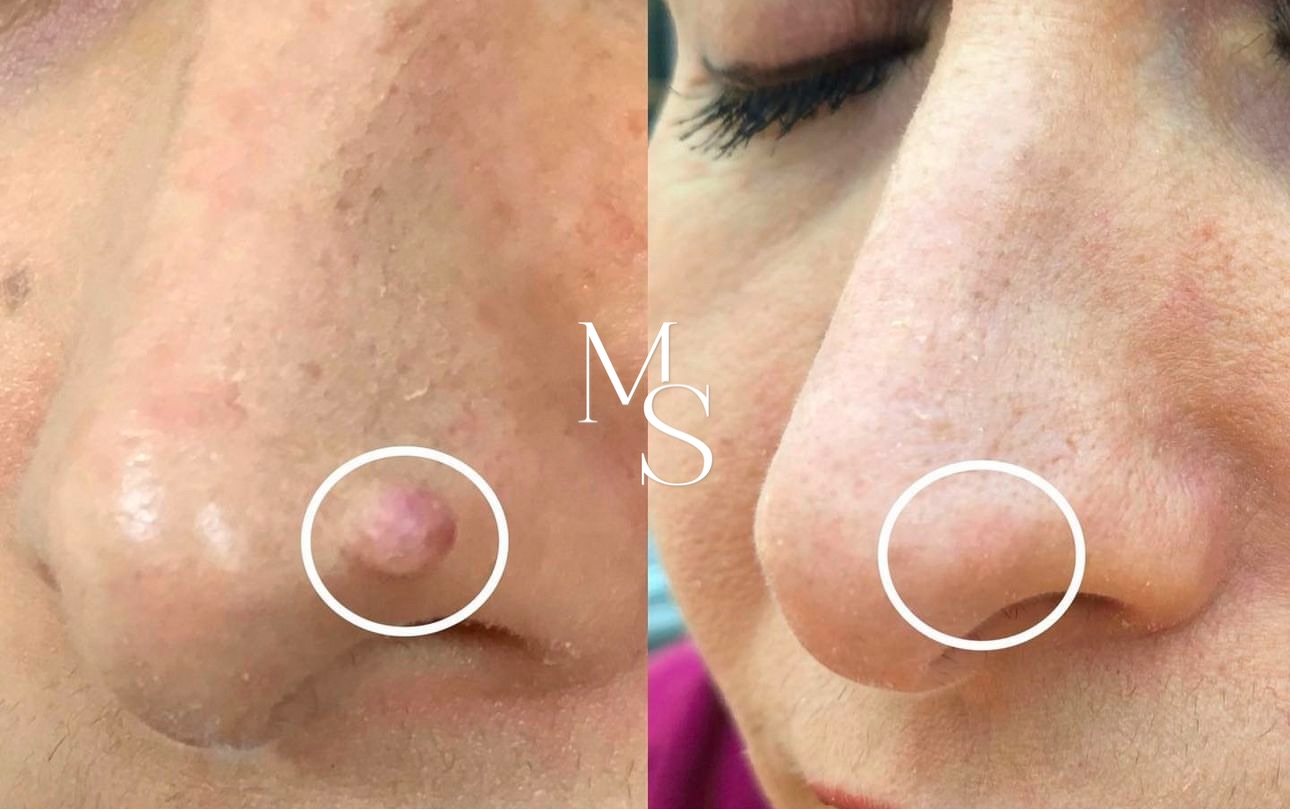
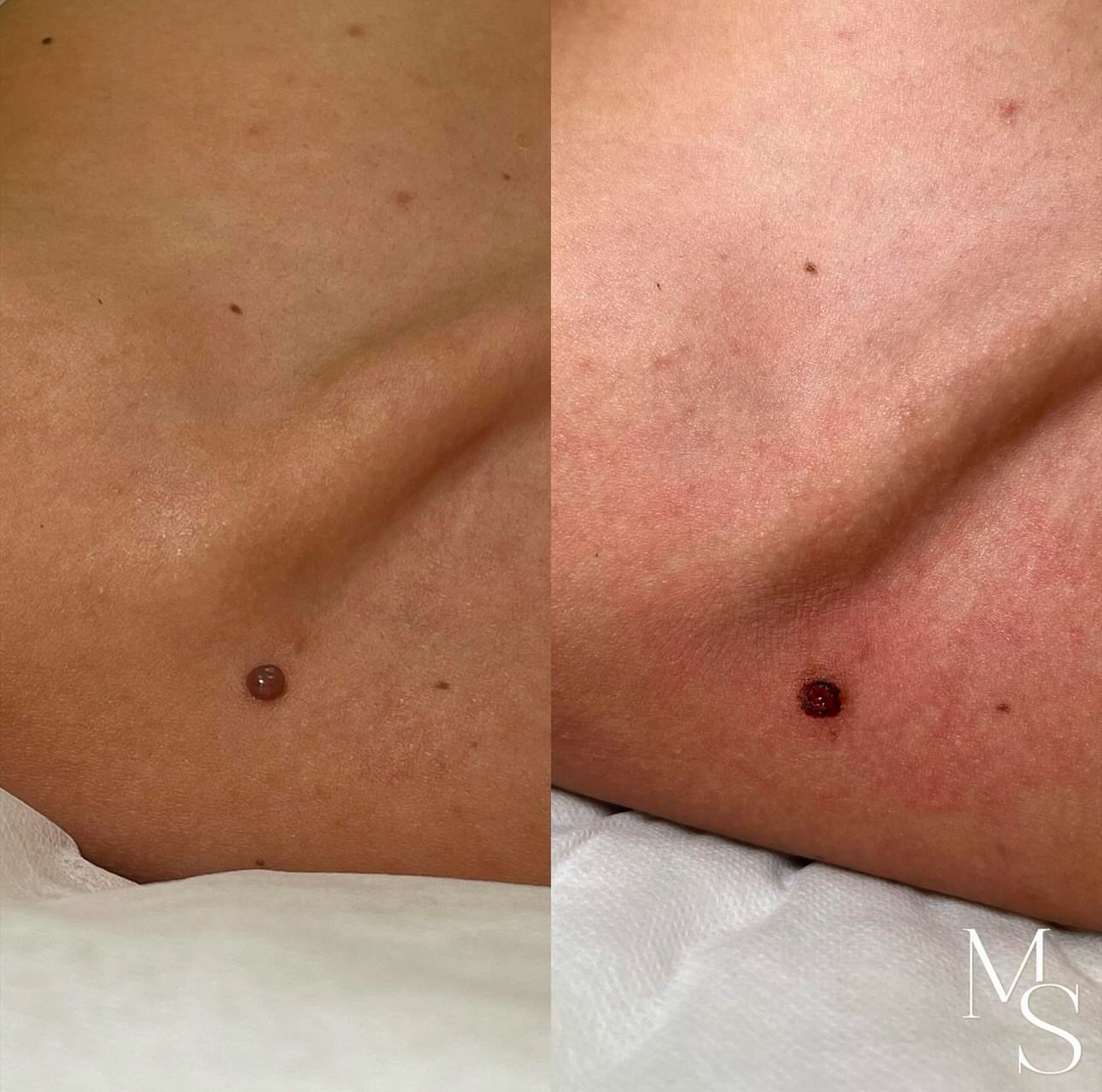
Diathermy uses a high-frequency electrical current to generate heat within the tissue. This allows it to treat both superficial and deeper lesions, as well as vascular concerns such as broken capillaries and cherry angiomas by coagulating the blood vessels beneath the skin.
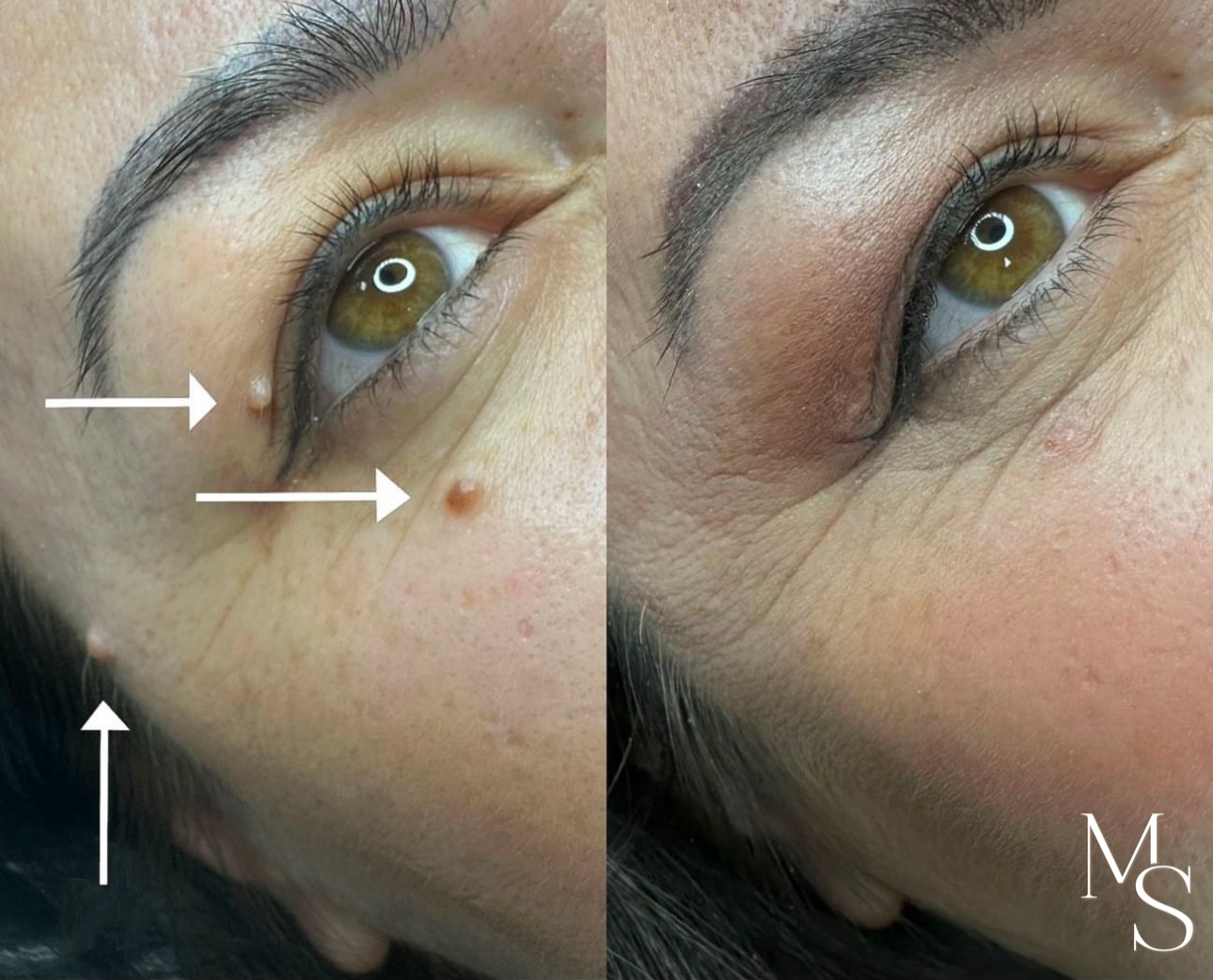
Fibroblast, on the other hand, uses plasma energy to precisely remove surface-level skin lesions. It is ideal for concerns such as skin tags, milia, seborrhoeic keratoses, and selected benign raised lesions. As fibroblast works only on the surface of the skin, it does not treat vascular lesions or blood vessels.
In some cases, both treatments may be recommended to achieve the best cosmetic outcome. For example, a lesion may have both a superficial component and a deeper tissue or vascular component, making a combination approach the most effective.
During your consultation, one of our experienced Dermal Clinicians will carefully assess your skin and determine whether Diathermy, Fibroblast, or a combination of both is the most appropriate treatment to safely achieve the best possible results.
Your safety is our highest priority. Before any treatment, every lesion is carefully assessed by one of our experienced Dermal Clinicians to ensure it is appropriate for cosmetic removal.
Diathermy and Fibroblast is only suitable for benign (non-cancerous) skin lesions. If a mole or lesion displays any unusual characteristics, has recently changed in size, shape, colour, or texture, is bleeding, itching, or raises any concern during your consultation, it will not be treated. Instead, you will be referred to your GP or dermatologist for a comprehensive skin examination and, if required, a biopsy to confirm the diagnosis before any cosmetic treatment is considered.
This treatment may not be suitable if you:
During your consultation, we will review your medical history, medications, skin health, and treatment goals to ensure diathermy is both safe and appropriate for you. If there is ever any uncertainty regarding a lesion, we will always prioritise your health and refer you for medical assessment before proceeding.
Most clients find both Diathermy and Fibroblast treatments very tolerable. Sensation varies depending on the size and location of the lesion being treated, but it is commonly described as a brief stinging, prickling, or warm sensation.
For your comfort, a medical-grade topical numbing cream is applied before treatment and allowed sufficient time to take effect. This significantly reduces discomfort, making the procedure much more comfortable for the majority of clients.
Some areas of the body may be more sensitive than others, particularly around the face or eyelids, however any discomfort is typically brief and only felt while the lesion is being treated. Once the procedure is complete, most clients experience only mild tenderness for a short period, which settles quickly.
Following your diathermy treatment, it is completely normal for the treated area to appear red, slightly swollen, or feel warm for the first few hours. Depending on the type of lesion treated, a small darkened spot, crust, or superficial scab will form over the area. This is a natural part of the healing process and acts as a protective barrier while your skin repairs itself.
Over the following 7–14 days (and occasionally longer for larger lesions), the crust will naturally dry and fall away. It is important not to pick or scratch the area, as doing so may delay healing and increase the risk of scarring or pigmentation changes.
Once the crust has shed, the new skin underneath may appear pink, red, or slightly lighter than your surrounding skin. As healing continues over the next several weeks to months, the colour will gradually blend with the surrounding skin. During this time, diligent sun protection with a broad-spectrum SPF 50+ is essential to minimise the risk of pigmentation.
As with any procedure that creates a controlled injury to the skin, there is a small risk of temporary pigment changes during the healing process. Some clients may experience post-inflammatory hyperpigmentation (a light brown mark), particularly those with darker skin tones or following sun exposure. Others may notice temporary hypopigmentation (a lighter area of skin) where pigment-producing cells have been affected. In the vast majority of cases, these changes improve gradually over time as the skin continues to remodel.
While many skin tags, milia, cherry angiomas, and small vascular lesions can be successfully treated in a single session, more than one treatment may be required depending on the size, depth, location, and nature of the lesion. Larger or deeper lesions may need additional treatments to achieve the best cosmetic outcome, and some vascular lesions may require repeat sessions if the blood vessel is particularly resilient.
Your clinician will assess your skin during your consultation and provide realistic expectations, including the number of treatments likely required to achieve the best possible result.
To ensure the safest treatment and best possible healing, please follow the recommendations below prior to your appointment:
Proper aftercare is essential to support healing and achieve the best cosmetic outcome.
$300
$300
$150
10% off automatically applied at checkout.
Located in Elevate Suites, 22 Hollywood Drive, Roxburgh Park 3064
