🏆 Awarded Acne Clinic & Clinician of the Year – 2024 & 2025 🏆
🏆 Awarded Acne Clinic & Clinician of the Year – 2024 & 2025 🏆

Intimate area lightening and brightening is a professional, non-invasive treatment designed to safely reduce hyperpigmentation, dark spots, and uneven skin tone in delicate areas. These zones typically include the bikini line, inner thighs, and underarms.
If you are researching this lightening treatment, you likely have questions about safety, discomfort, and the process itself. You might also feel hesitant to discuss it. At Melbourne Skin, we treat intimate area pigmentation with the exact same clinical objectivity as facial pigmentation. It is a standard, highly requested service in our award-winning laser clinic environment.
Our team understands the vulnerability involved in booking this service. Our qualified dermal clinicians and therapists approach every appointment with strict professionalism, complete privacy, and medical-grade care. You are always in a judgment-free, safe space.
This guide explains exactly how the specialist treatment works, why pigmentation happens in the first place, and what to expect when you visit our clinic.
Darkening of the skin in friction zones is a normal biological response. Your skin contains melanocytes, which are cells responsible for producing melanin (pigment). When the skin experiences physical trauma, chronic inflammation, or internal hormonal changes, these melanocytes produce excess melanin as a protective mechanism. Age and specific skin conditions can also contribute to these shifts in skin colour.
In sensitive areas, this hyperpigmentation is usually triggered by three main factors:
The inner thighs and bikini line endure constant movement. Walking, running, or wearing tight clothing creates ongoing friction. To protect itself from breaking down under this mechanical stress, the skin thickens slightly and produces more pigment. This is a purely structural response to physical stress, but it leaves behind a persistent dark shadow that clients seeking even skin find bothersome.
Shaving, waxing, and epilating are aggressive processes for delicate tissue. Shaving creates daily micro-abrasions on the skin surface. Waxing physically pulls at the follicle, often leading to localised inflammation. If you are prone to ingrown hairs, the resulting red bumps frequently heal leaving a dark mark behind. Over years of regular hair removal, this cumulative trauma significantly alters the skin tone, commonly resulting in underarm pigmentation and bikini-line shadowing.
Melanocytes are highly sensitive to hormones. Fluctuations in estrogen and progesterone directly stimulate pigment production. This is why many women notice distinct darkening in delicate areas during or after pregnancy, or when changing oral contraceptives.
Understanding these triggers is the first step in treating the issue. Pigmentation in these zones is a functional skin condition that requires a targeted clinical solution to diminish the appearance of dark marks.
To correct the tone of delicate skin, we rely on specialised clinical protocols. We do not use generic laser technology that carries high risks of burning on delicate tissue, and we strictly avoid harsh, unregulated bleaching fads.
Instead, we use professional-grade Dermalan and Dermamelan Intimate brightening peels.
This clinical protocol is safe, highly regulated, and proven to lift pigment without causing trauma to your skin barrier. The advanced depigmentation process does two things: it gently exfoliates the existing dark skin cells on the surface, and it temporarily suppresses the enzymes responsible for creating new pigment.
The active ingredients in these professional chemical peels work on a cellular level. By inhibiting the tyrosinase enzyme, the peel stops the skin from producing excess melanin. This provides a dual corrective and regulatory effect. Over the course of your treatment plan, the treated area gradually becomes smoother, helping to rejuvenate the tissue and improve the appearance of your skin while also supporting healthy collagen production.
When trying to resolve intimate pigmentation at home, many women turn to over-the-counter or online bleaching creams to avoid embarrassment. You should strictly avoid these products.
DIY bleaching creams frequently contain unregulated, aggressive ingredients designed to strip colour from the skin rapidly. Applying these harsh chemicals to the bikini line or underarms can cause severe chemical burns, blistered tissue, and long-term disruption of your natural pH balance.
Because inflammation is a primary trigger for melanin production, burning your skin with a DIY bleach will almost certainly result in rebound hyperpigmentation, causing the area to darken further. Clinical peels applied by a qualified dermal clinician remain the only safe, regulated method for targeted skin lightening in these highly vulnerable zones.
Booking an intimate lightening appointment can feel intimidating if you do not know what happens in the clinic. Understanding the step-by-step process can help alleviate any anxiety.
While some clients may have previously visited generic pink laser clinics for basic hair reduction, our clinic offers a premium, medical-grade environment. We prioritise your comfort and dignity above all else, providing a private, secure treatment room where we tailor the treatment entirely to you.
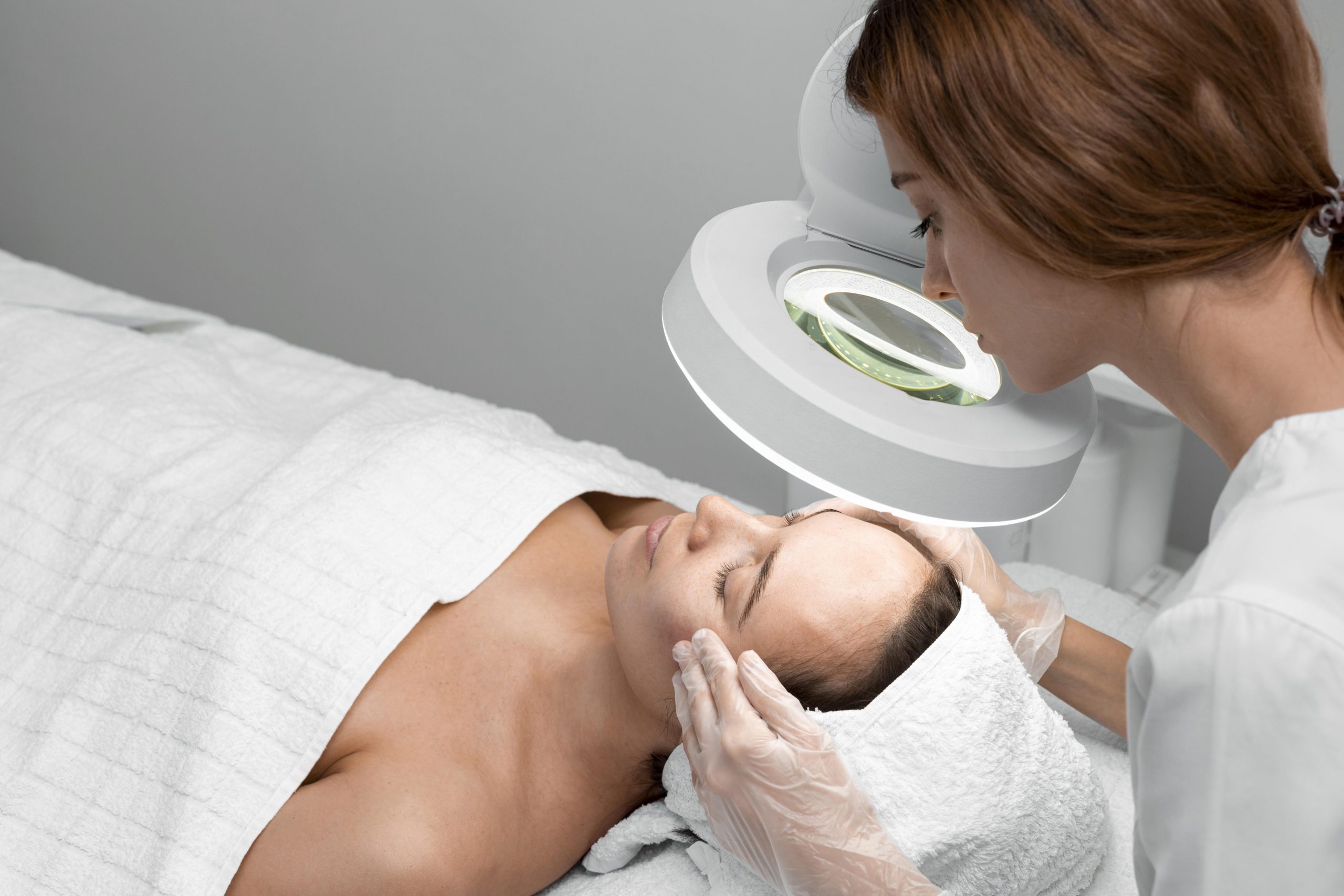
Before any treatment begins, you will have a thorough consultation with your dermal clinician. We will examine the treatment area to assess the depth of pigmentation. We will discuss your hair removal habits and underlying hormonal factors to ensure this specific skin treatment is right for you. We will also set realistic expectations regarding downtime, home care, and how we will track your progress.
You will be given privacy to undress the necessary areas and position yourself comfortably on the treatment bed. We use appropriate clinical draping techniques so that only the specific area being treated is exposed.
The clinician will first cleanse the skin to remove any natural oils. The specialised intimate peel is then applied carefully to the targeted zones. Most clients report a mild, warm tingling sensation while the active ingredients are on the skin. It does not burn, and it is not painful.
Once the optimal time has passed, the clinician neutralises the peel. We then apply a barrier-repairing serum to soothe and protect the skin. The entire physical treatment is surprisingly brief, often taking less than thirty minutes.
To achieve the best results, you must follow a specific home care routine before and after your appointment. Proper aftercare ensures comfort and prevents complications on delicate skin.
How to prepare for your appointment:
How to care for your skin post treatment:
Once you achieve your desired skin tone, maintenance becomes the priority. Hyperpigmentation can return if the original physical or hormonal triggers are reintroduced.
These results are long-lasting when supported by appropriate lifestyle adjustments. Transitioning to laser hair removal is one of the most effective short and long-term strategies. By eliminating the physical pulling of wax and the daily scraping of a razor, you remove a primary cause of post-inflammatory hyperpigmentation.
It is also important to understand the scope of the procedure. While a clinical device or body sculpting treatment targets the pelvic floor for muscle rehabilitation or addresses tissue laxity, intimate rejuvenation via chemical peels focuses strictly on improving skin tone and texture. Your clinician may also recommend a signature body lightening serum to use at home between appointments to keep pigment-producing cells calm.
Yes. The Dermamelan Intimate protocol is specifically designed to be safe for diverse skin types, including darker skin tones. Unlike aggressive lasers that carry a high risk of hypopigmentation (loss of all pigment) on darker skin, our peels target excess melanin safely and predictably to improve tone.
No. Because the acid profile is formulated specifically for sensitive tissue, the treatment is very comfortable. You will feel a mild tingling sensation, but no severe discomfort.
Intimate brightening is a progressive treatment. Most clients require a series of three to six sessions, spaced several weeks apart. The treatment offers optimal results when the full treatment plan is completed.
You will likely notice a slight brightening and smoothing of the skin texture after your first session, once the initial flaking phase is complete. However, a visible reduction in dark spots generally becomes apparent midway through your plan.
Yes, and we often recommend it to prevent future friction. However, you cannot have a laser session and a chemical peel on the same day. Your clinician will help you structure a safe schedule.
You do not have to quietly accept pigmentation that makes you feel self-conscious. Addressing dark spots in delicate areas is a straightforward, highly effective clinical process.
If you are ready to correct hyperpigmentation safely, we invite you to book a free consultation time with our dermal team at Melbourne Skin. We will answer your questions, assess your skin, and build a tailored plan for you.

10% off automatically applied at checkout.
Located in Elevate Suites, 22 Hollywood Drive, Roxburgh Park 3064